How to Build Work Experience When You Haven’t Had a Job Yet
It can be frustrating when you want a job to gain experience, but many job postings ask for experience before you have even had a chance to get any.
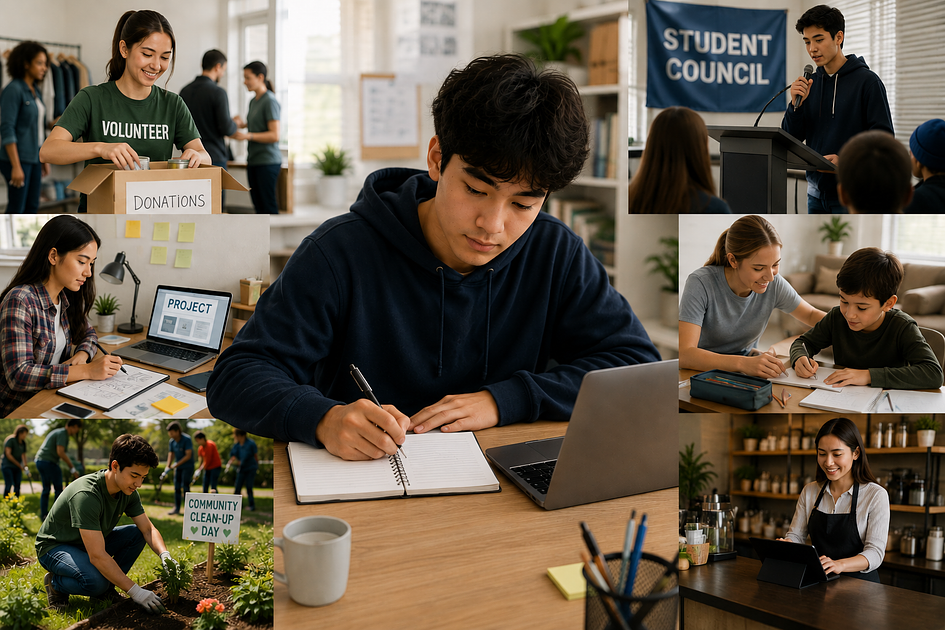
Work experience is not just about your first paid job. School activities, volunteering, community involvement, personal projects, short-term roles, and daily responsibilities can all help you build skills and show what you can do.
If you have not yet had a formal job, here are some practical ways to start building experience.
Start With the Experience You Already Have
Before you look for something new, take a moment to think about what you are already doing.
You might already have responsibilities or experiences that helped you build useful skills, even if you did not realize it. Think about what you do at school, at home, in your community, or through your hobbies and interests.
For example, you may have:
- Worked on group projects at school
- Helped organize an event
- Participated in a club or sports team
- Looked after younger family members
- Helped with a family business
- Managed regular responsibilities at home
- Created something independently
- Helped classmates or other people learn a skill
Think about what you actually did in these situations. Did you talk with others? Meet deadlines? Solve problems? Organize tasks? Take responsibility for something?
These experiences can be the start of your work-related skills.
Consider Volunteering
Volunteering is a great way to gain practical experience while helping your community.
Community organizations, events, charities, sports programs, schools, and other groups may need help with tasks such as organizing events, assisting visitors, preparing materials, collaborating with teams, or supporting day-to-day operations.
Volunteering is more than just something to add to your résumé. It gives you chances to practice communication, reliability, teamwork, organization, and problem-solving in real situations.
You might also meet new people and experience different environments you wouldn't have otherwise.
Get Involved at School
School offers more ways to build experience than classes alone.
Clubs, student groups, sports teams, school events, committees, performances, and other activities can give you chances to take responsibility and work with others.
You might help organize an event, manage equipment, coordinate schedules, welcome participants, create promotional materials, or lead part of a project.
These might not be paid jobs, but they still help you build skills that employers look for.
Even a big class project can give you useful experience if it involves planning, research, working with others, presenting, or meeting deadlines.
Create Your Own Projects
You do not have to wait for someone else to give you a chance to start building a skill.
If you are interested in a particular field, consider creating a small project of your own.
Someone interested in graphic design could create sample designs. A person interested in technology might build a simple website or coding project. Someone interested in writing could create articles or other written pieces. A young person interested in photography could begin developing a portfolio.
Your project does not have to be big or complicated.
What matters is that you practice a skill, finish something, and learn along the way.
Look for Short-Term Opportunities
Your first experience does not have to be a permanent job.
Summer work, seasonal positions, temporary assignments, internships, work placements, community programs, and other short-term opportunities can help you experience a workplace and begin building an employment history.
A short-term job can teach you how to follow workplace rules, talk with supervisors and coworkers, manage your schedule, and take responsibility for your tasks.
It can also help you find out what kinds of work you enjoy or what you might want to try next.
Take Everyday Responsibilities Seriously
You can develop some of the skills employers want through everyday responsibilities.
Maybe you regularly help care for a younger sibling, organize appointments for a family member, help a neighbour with yard work, manage your own school schedule, or take responsibility for household tasks.
These experiences aren't the same as formal jobs, and you shouldn't list them as jobs if they weren't. Still, they can help you see and explain the skills you are building.
Being dependable, managing your time, communicating clearly, following instructions, and finishing your tasks are all useful in many workplaces.
Focus on What You Are Learning
Building experience is not just about listing activities on your résumé.
Focus on what you learn from each experience.
After completing a project, volunteering, participating in an activity, or taking on a new responsibility, ask yourself: What did I do? What skills did I use? What did I learn? What would I do differently next time? These questions can help you see how you are growing and make it easier to talk about your experience later in a résumé, application, or interview.
Keep a Record as You Go
You may think you will remember everything you have done, but details can be easy to forget over time.
Keep a simple record of activities, projects, volunteer experiences, certifications, responsibilities, and accomplishments.
Write down approximately when you did them, what your responsibilities were, and what skills you used or developed.
When it is time to prepare a résumé or apply for a job, you will already have useful information to work with.
Your Experience Has to Start Somewhere
You don't need to wait for your first formal job to start building experience.
Look at what you are already doing, then look for opportunities to do a little more. Volunteer. Join an activity. Complete a project. Help in your community. Take on a responsibility. Explore a short-term opportunity.
Each experience can help you learn something about working with others, taking responsibility, developing your abilities, and understanding what you might want to do next.
Your first paid job will be an important step, but the experience that helps you get there may already be starting now.